Featured Publications

Science Policy
The U.S. Bioeconomy needs biomass, but what is it and how do we use it?
04.17.24
|
7 min read
read more
Technology & Innovation
Dr. Rebecca Glaser, Office of Clean Energy Demonstrations, Energy Storage (for the People) and Policy Expert
04.17.24
|
5 min read
read more
Science Policy
Firefighting Workforce Benefits from FY25 Budget Request but Sustained Investments are Necessary to Address the Wildfire Crisis
04.16.24
|
5 min read
read more
publications
Science Policy
Issue Brief
The U.S. Bioeconomy needs biomass, but what is it and how do we use it?
In the quest for sustainable energy and materials, biomass emerges as a key player, bridging the gap between the energy sector and the burgeoning U.S. and regional bioeconomies.
04.17.24
|
7 min read
read more
Technology & Innovation
Blog
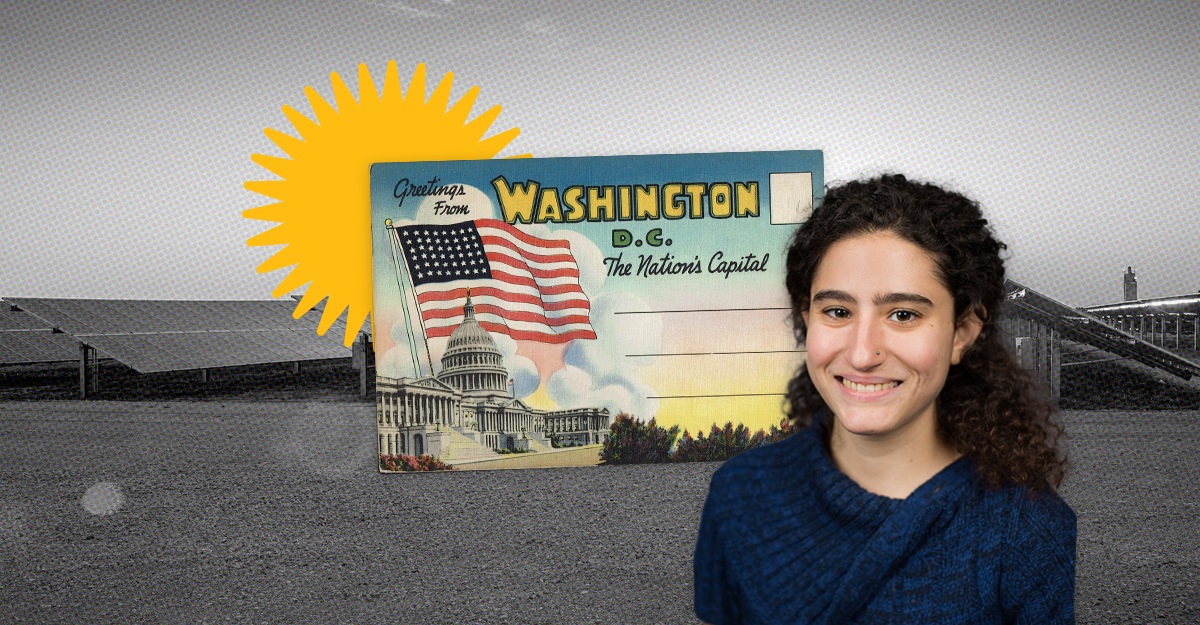
Dr. Rebecca Glaser, Office of Clean Energy Demonstrations, Energy Storage (for the People) and Policy Expert
At the Office of Clean Energy Demonstrations, Dr. Glaser is paving the way for cutting-edge energy storage and battery technologies to scale up.
04.17.24
|
5 min read
read more
Science Policy
Blog
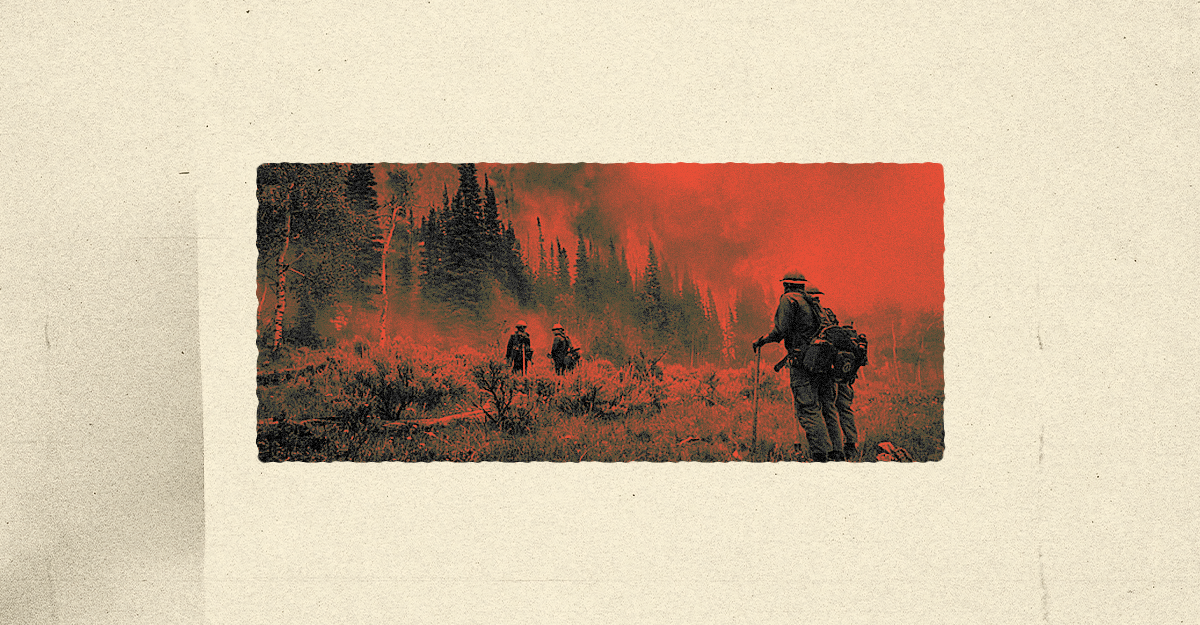
Firefighting Workforce Benefits from FY25 Budget Request but Sustained Investments are Necessary to Address the Wildfire Crisis
In the last decade, the U.S. has made significant investments to address the wildfire crisis, including the historic investments in hazardous fuels reduction through the IRA and IIJA.
04.16.24
|
5 min read
read more
Science Policy
Blog
Soil and Water: Why We Need Conservation Agriculture
The widespread adoption of conservation agricultural practices to protect soils is key to ensuring food security and water quality for current and future generations in the United States.
04.15.24
|
6 min read
read more