


Weatherization and Home Energy Retrofits
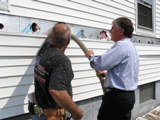 Energy efficiency retrofits to and weatherization of our nation's existing housing stock is essential to reducing our energy use and CO2 emissions. Equally as important, weatherization retrofits result in houses that are safer, healthier and less expensive to operate. The publications below elaborate upon the necessity of considering residential energy efficiency retrofits to be a key component of any energy efficiency initative or program.
Rebuilding Mortgages for Energy Efficiency. Residential energy consumption globally accounts for over twenty percent of energy use and despite the existence of the Energy Efficent Mortgage (EEM) program in the US, home energy consumption has not decreased. This article discusses the shortcomings of the EEM program and past and current barriers to successfully scaling up this program, then lays out a set of recommendations for program promotion and improvement.
Energy Efficient Mortgages. Energy efficient mortgages are a critical tool in allowing people to pay for energy efficient upgrades when they purchase their new (old) home. At the time of sale, energy efficient mortgages allow the borrower to fold the costs of cost-effective energy upgrades into their home loan. Due to the long payback period of home loans (~30 years) and difficult of borrowing, these will be an important tool in paying for energy retrofits. Read FAS's recommendations for improving the current system of Energy Efficient Mortgages.
Residential Energy Retrofits: An Untapped Resource Right at Home. Residential Energy consumption accounts for over 20 percent of CO2 emissions and energy use. However, current and proposed climate change policies focus primarily on setting minimum standards for new homes through building codes. This focus ignores the vast energy savings potential of retrofitting existing homes. Recognizing this potential, this paper proposes a system of residential energy efficiency improvements, that would enable cost effective improvements financed by homeowners and utilities.
Home Energy Retrofits and Green Jobs for the Stimulus Package. FAS has created two energy efficiency proposals for a potential economic stimulus package. The first is a straightforward expansion of the DOE Weatherization Assistance Program and the second is a new program of grants for point-of-sale home energy retrofits loosely based on the Weatherization model. The primary goals of this program include: immediately creating construction jobs, retrofitting the highest possible percentage of homes at the time of sale, and encouraging retrofits up to the full cost-effective level.
The U.S. Weatherization Assistance Program. After providing a capsule description of WAP as it exists today, this paper will trace the history of the program up to the current uncertainty about its future, as well as the actions needed to move it beyond survival to more effectively address today's energy and housing challenges.
